
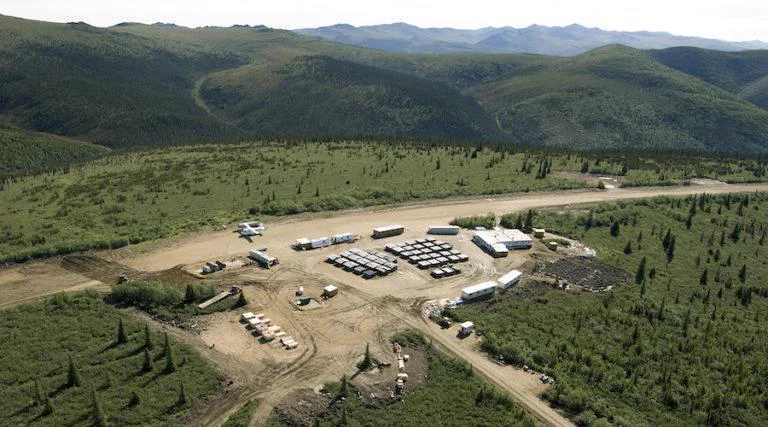
Remote industrial power
At off-grid and weak-grid sites, the cost of power is set by fuel logistics, generator hours and access windows rather than by tariffs. Energy storage integrated with existing generation changes how the system is operated. This page covers the drivers, the architecture and how projects are delivered at remote Canadian sites.
What makes storage worth considering off-grid
The economics of remote power are different from grid-connected sites. These are the factors that usually determine whether energy storage belongs in the system.
How a remote power project is executed
Remote work is constrained by access before it is constrained by equipment. The sequence below reflects how these projects are planned in practice.
- STEP 01
Site and load definition
Existing generation, load inventory, seasonal variation, criticality of each load and how the site is accessed through the year.
- STEP 02
Energy architecture
How generation, storage and any renewable input are arranged, and what the control philosophy is between them.
- STEP 03
Equipment selection
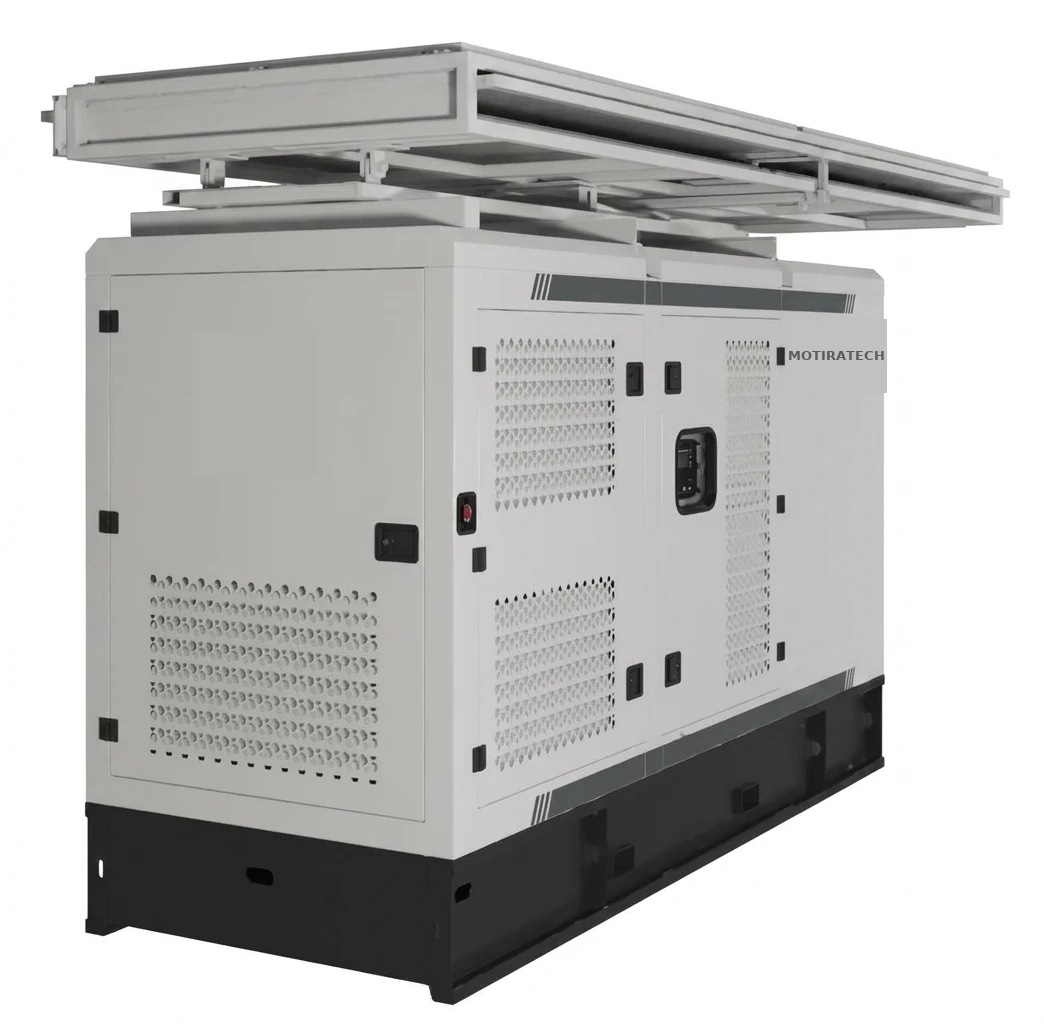
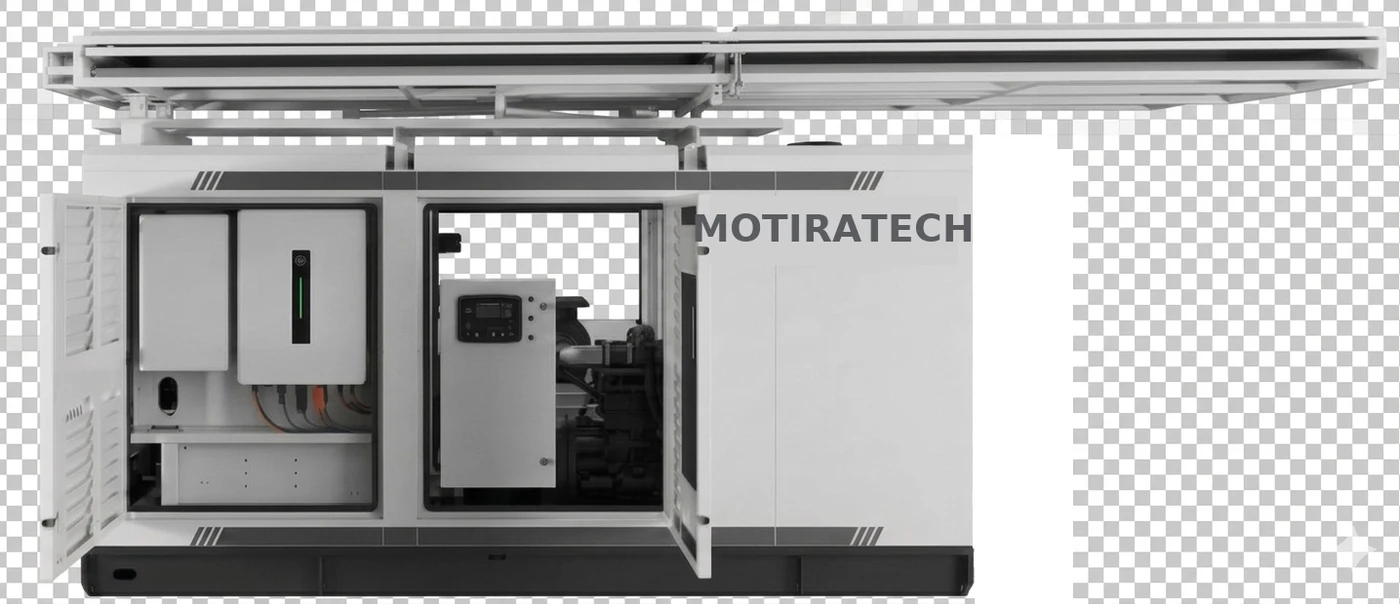
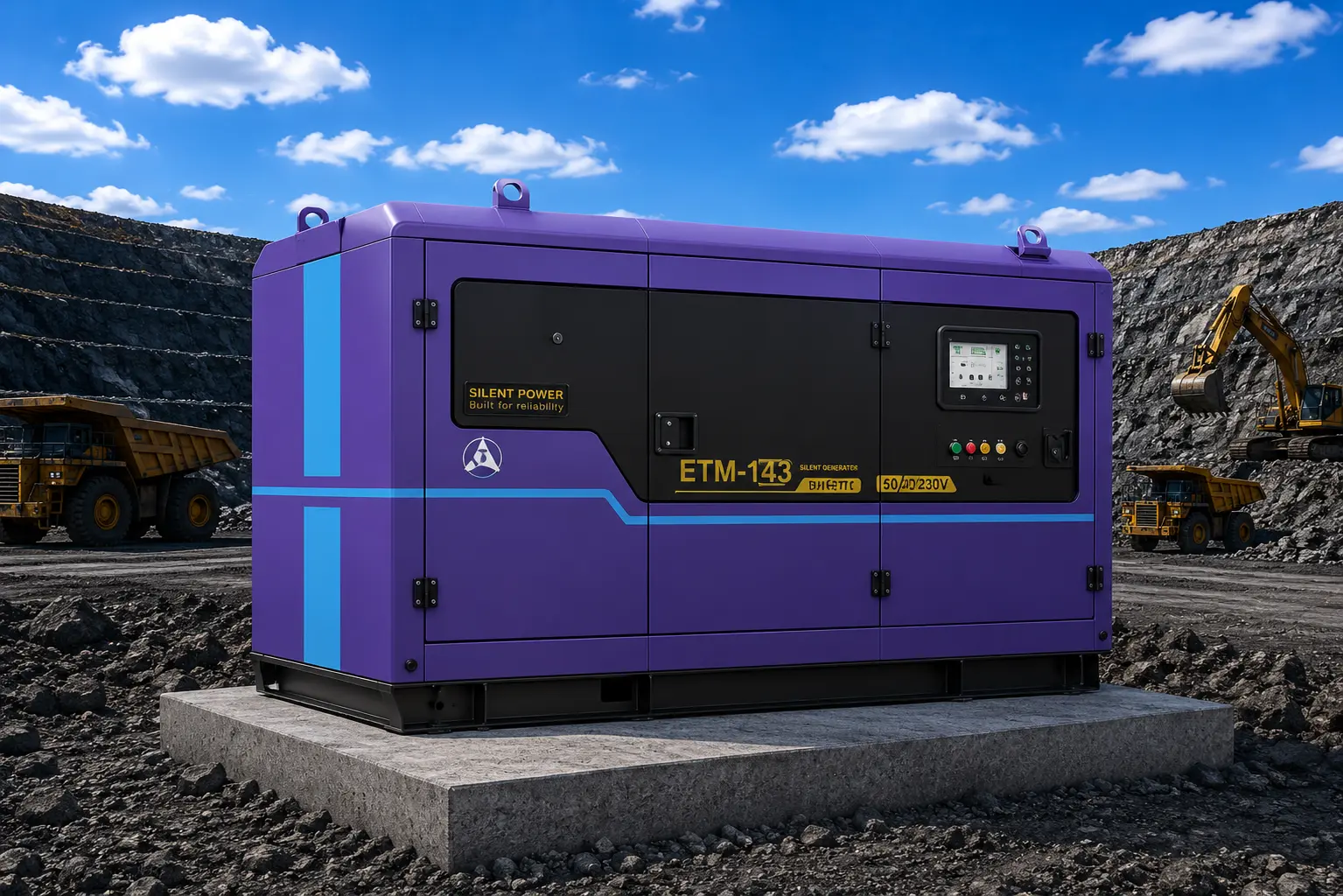
Containerized, cabinet or mobile hybrid format, chosen against footprint, transport route, ambient conditions and permanence of the installation.
- STEP 04
Logistics planning
Transport route, lifting requirements, seasonal access windows and staging — usually the binding constraint on the schedule at remote sites.
- STEP 05
Installation and commissioning
Mechanical placement, electrical connection, control integration and functional testing, with licensed trade work performed by qualified contractors.
- STEP 06
Monitoring and support
Remote monitoring where connectivity permits, plus a defined technical support path for a site that cannot be reached quickly.
MotiraTech scope
- System architecture and equipment selection
- Supply and coordination of storage and conversion equipment
- Electrical and control integration engineering
- Installation supervision, commissioning and startup support
- Technical support after handover
Coordinated through qualified contractors
- Licensed electrical and other trade work
- Civil works, foundations and pads
- Heavy lift, transport and site mobilization
- Permitting and inspection processes local to the site
Equipment formats used at remote sites
Terms used in remote power systems
- Off-grid
- A site with no utility connection at all, where all power is generated on site — typically generators, increasingly combined with battery energy storage and renewables.
- Weak grid
- A site with a utility connection of limited capacity or reliability — voltage instability, interruptions or constrained feeders — often still requiring on-site generation or storage to supplement the grid.
- Islanded
- A site that disconnects from the grid and operates as an intentional island, with storage, generation and controls managing frequency and voltage locally during the transition and while separated.
- Backup / resilience
- The grid remains the normal source; storage supports defined critical loads through interruptions. The questions are which loads, for how long, and how the transfer is handled.
- Hybrid power system
- Generation, storage and in some cases renewable input operating under a shared control scheme.
- Spinning reserve
- Generation capacity kept online to absorb load steps and faults; storage can reduce how much must run.
- Black start
- Restoring an isolated system from a de-energized state without an external supply.
Where to go next
Mining industry solutions
Remote and weak-grid power alongside drive systems and field engineering for mine sites.
Industrial battery energy storage systems
System categories, configurations and integration scope.
Peak demand management
Storage applied to demand charges and load shifting at grid-connected industrial sites.
Field engineering and technical services
Mobilization, installation support and commissioning at remote Canadian sites.
Describe the site, the generation and the access window
Existing generation, load inventory, seasonal access and criticality of each load are enough to begin a technical discussion.