
Industrial Peak Demand Management
For most industrial sites, demand charges are set by a small number of short intervals each month. Battery energy storage addresses those intervals directly — but only where the load profile, tariff and electrical infrastructure support it. This page explains how the application is assessed and engineered.
How industrial energy storage acts on demand
Peak demand management is not a single behaviour. These are the mechanisms that appear in industrial applications, and they are frequently combined in one system.
What an assessment actually requires
Sizing a system without load data produces a number, not an engineering answer. The assessment sequence below establishes whether the application is viable before any equipment is selected.
- STEP 01
Interval data
Twelve months of metered interval data where available, so peaks can be characterized by magnitude, duration, frequency and time of day.
- STEP 02
Tariff structure
The applicable demand charge, ratchet provisions, time-of-use periods and any interconnection or standby charges.
- STEP 03
Process context
Which equipment creates the peaks, whether it can be scheduled, and what operational constraints exist around it.
- STEP 04
Electrical study
Point of connection, available capacity, protection coordination and where the system can physically be connected.
- STEP 05
System sizing
Power and energy sizing are separate decisions: peak magnitude sets power, peak duration sets energy. Both come from the interval data.
- STEP 06
Siting and integration
Pad or foundation, clearances, fire and code requirements, cable routing, thermal management and control system interface.
Load profiles that suit the application
- Short, repeatable peaks well above the site's average load
- Significant demand charges within the applicable tariff
- Peaks driven by equipment that cannot simply be rescheduled
- Planned load growth constrained by existing service capacity
Where storage is unlikely to be the answer
- Flat load profiles with little separation between peak and average
- Sustained peaks lasting many hours, where energy sizing becomes prohibitive
- Tariffs with negligible demand or time-of-use components
- Cases where process scheduling solves the problem at lower cost
What we need to evaluate a BESS project
Battery power rating and energy capacity are sized against the actual site, not a catalogue. The items below are what an evaluation starts from — send what is available and the remainder is established during the assessment.
- Utility tariff
- The applicable rate structure, including demand charges and any time-of-use components.
- Interval load data
- Metered interval data — ideally twelve months — showing how demand behaves over time.
- Peak demand
- Recent peak and average demand figures where interval data is not yet available.
- Load profile
- Which processes or equipment drive the peaks, and whether any of them can be rescheduled.
- Operating schedule
- Operating hours, shift patterns and seasonal variation in production or occupancy.
- Existing electrical infrastructure
- Service voltage, incoming capacity, switchgear arrangement and available connection points.
- Available space
- Indoor or outdoor footprint, clearances, access and any ambient or environmental constraints.
- Interconnection requirements
- Utility interconnection rules or constraints that apply at the service size and location.
- Desired operating strategy
- Peak shaving, load shifting, resilience, renewable integration — or a combination, in order of priority.
Have interval data or a recent utility bill?
Send the site details and load data. We will confirm whether peak demand management with battery storage is technically and commercially appropriate before any equipment is proposed.
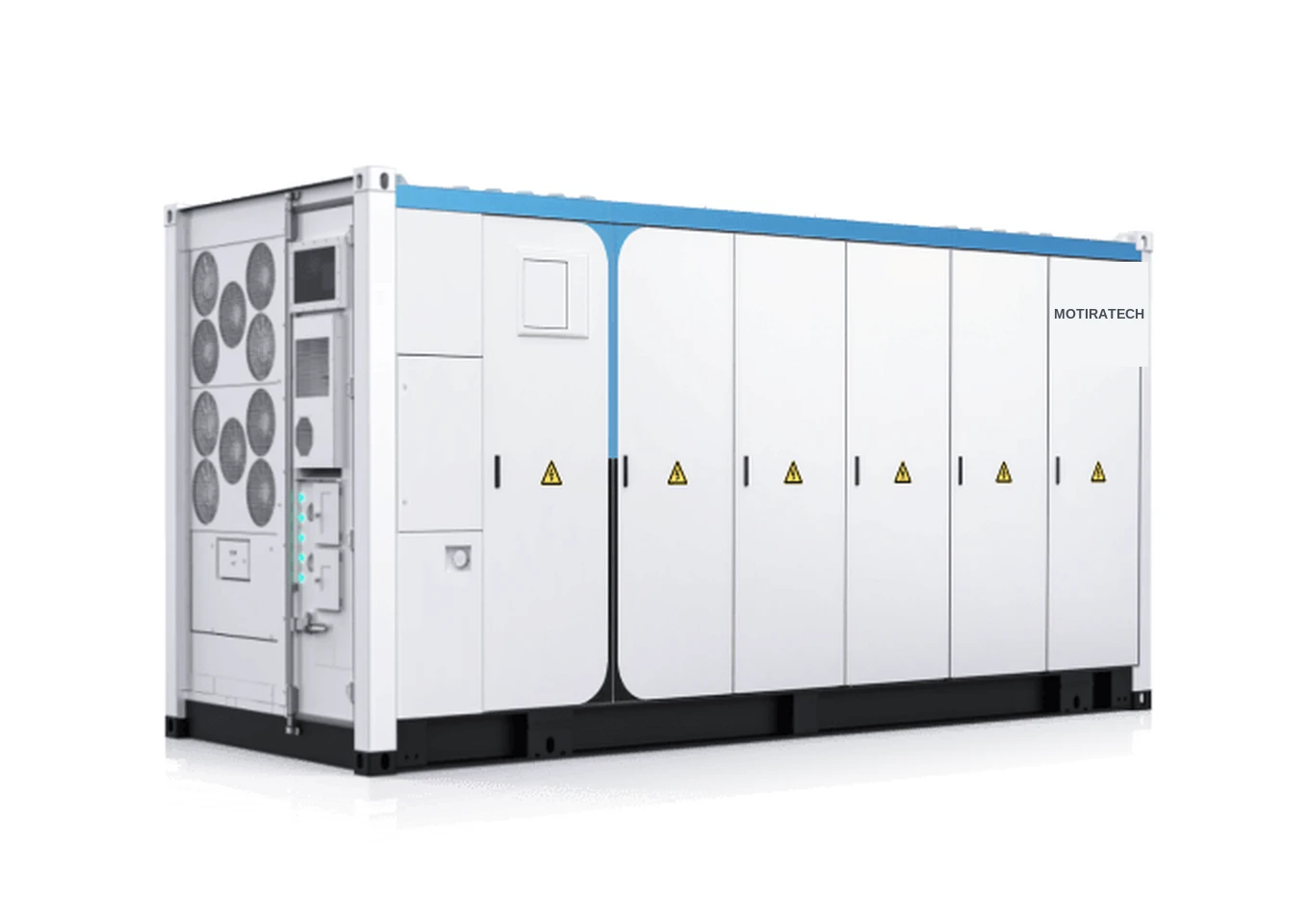
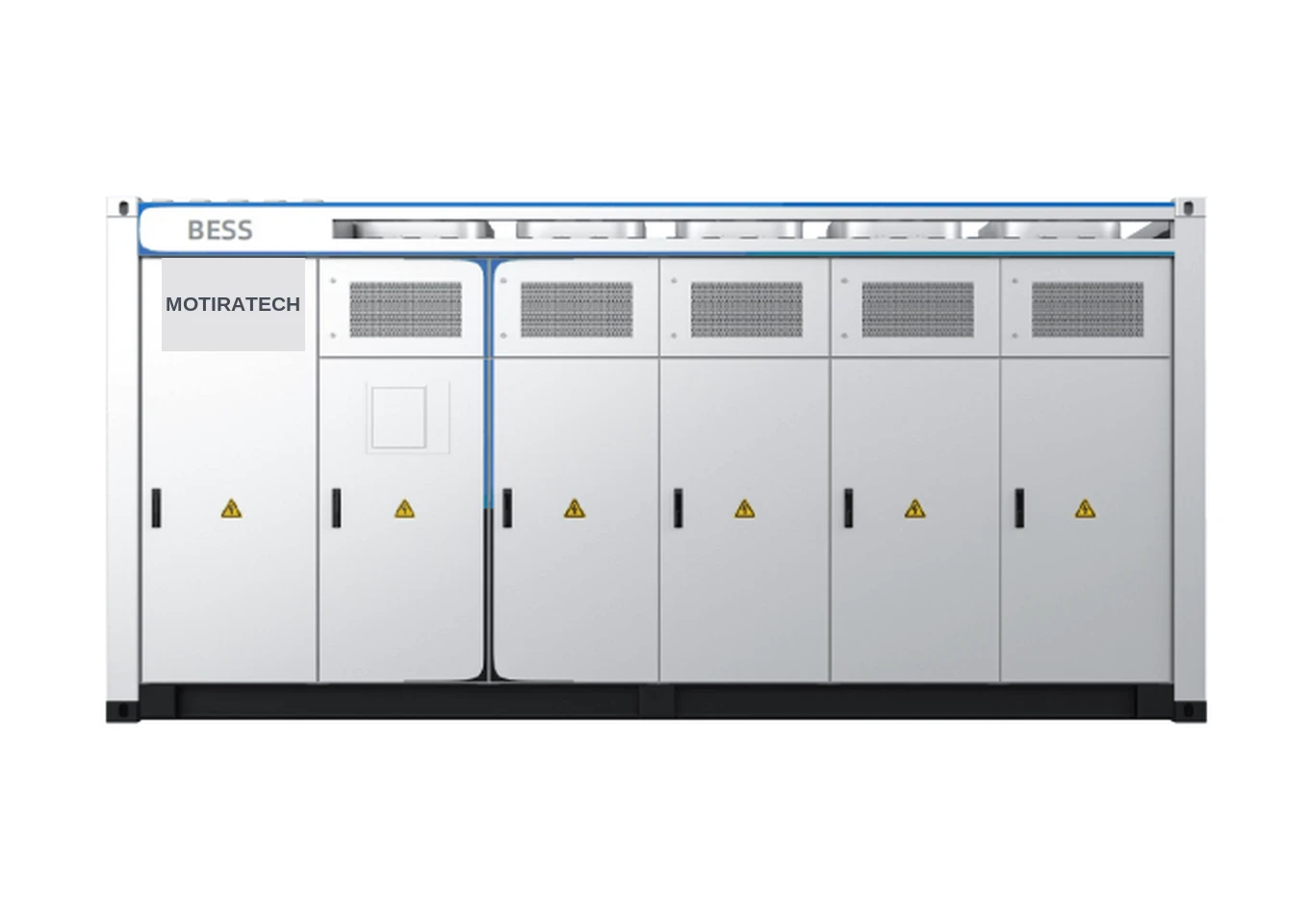
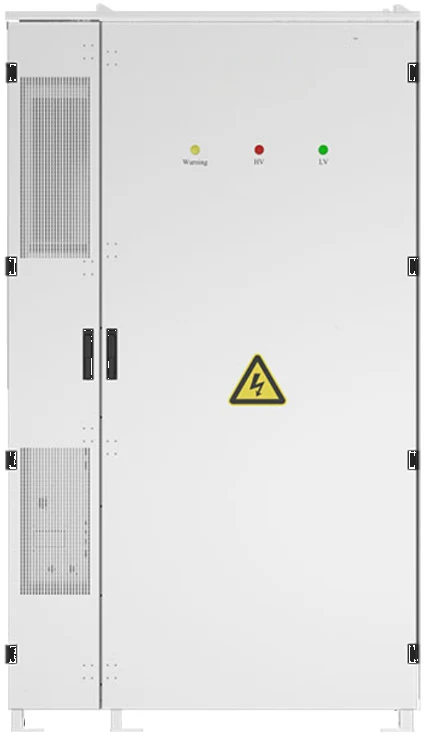
Equipment applied to behind-the-meter demand management
System format follows the site: cabinet-scale systems where footprint and load are modest, containerized systems where power and energy requirements are larger.

Terms used in industrial demand management
- Demand charge
- A billing component based on the highest metered power draw in a period, independent of total energy consumed.
- Peak shaving
- Discharging storage during peak intervals so that metered demand does not exceed a target threshold.
- Load shifting
- Moving energy consumption in time — charging in low-cost periods, discharging in high-cost periods.
- Behind-the-meter (BTM)
- A system installed on the customer side of the utility meter, serving site load rather than exporting to the grid.
- C-rate
- The relationship between a system's power rating and its energy capacity; it determines how long a given peak can be sustained.
- EMS
- The energy management system that decides when to charge and discharge, based on metering, forecasts and configured thresholds.
Where to go next
Industrial battery energy storage systems
System categories, configurations and integration scope for industrial energy storage.
Remote industrial power
Storage applied where the constraint is fuel logistics and generator runtime rather than tariffs.
Integration and commissioning
Installation support, electrical integration and commissioning for storage systems.
How industrial demand charges work
How billed demand is calculated and how peak shaving is assessed against interval data and tariff structure.
MotiraTech ES-125 and ES-250
Liquid-cooled C&I battery systems commonly assessed for demand-charge management.
Mining operations
Peak demand, remote power and drive systems at mine sites and processing plants.
Send interval data and a tariff, and we will assess the application
Twelve months of interval data and the current rate schedule are enough to determine whether peak demand management is technically and commercially worth pursuing.